About this Travel Course
Course Description
Until the mid-nineteenth century, there were few distinctions between decorative and fine arts in Japan. Objects and adornment were considered components of cultural practices, unlike the Western divide between art and craft.
This course will explore material innovation, current design practices, and the remarkable transnational influence of contemporary Japanese design. We will examine the formal language of everyday Japanese life as exemplified by the holistic art form of Japanese tea culture that considers architecture, calligraphy, painting, ceramics, textiles, lacquerware, metalwork, and woodwork.
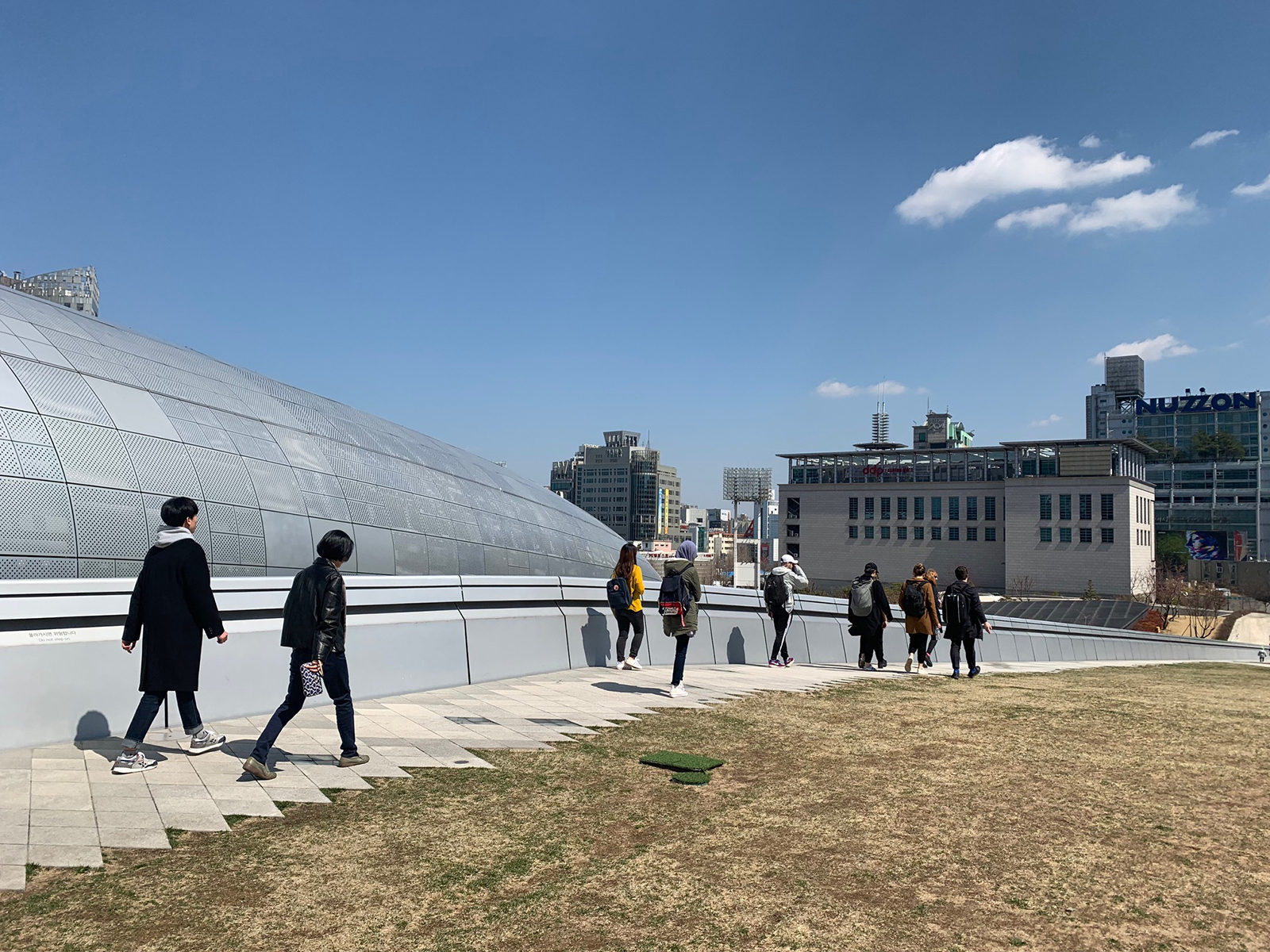
We will travel from Tokyo (contemporary capitol) to Kyoto (ancient capitol).
In Tokyo we will consider contemporary design practices, material innovation, and cultural exportation. We will view the original sketches and woodblock prints of Hokusai at the museum designed for his original work by Pritzker prize winner Sejima. And spend a morning at the offices of NIKKEN Seiki, the largest and oldest architecture firm in Japan.
While in Kyoto we will explore the aesthetic Japanese foundations: materials and the spaces created for their use, and traditional Japanese design philosophy. We will spend a morning at a Zen Buddhist temple complex with Rev Taka (Reverand Takafumi Zenryu Kawakami) in a discussion of Shinto and Zen Buddhist belief systems, and we’ll attend a private lecture on the history of manga and tour of Manga Library and Museum.
In Uji, we’ll consider ritual as a generator of aesthetic culture. We’ll participate in a tea ceremony, and visit the historic Byōdō-in temple as we explore tea cultivation and architectural minimalism.